


The Science Behind Grain-Free Pet Food: What Malaysian Pet Owners Should Know
Discover the truth about grain-free pet food and make informed choices for your furry friends. Uncover the evolution of pet diets, the nutritional benefits, and potential risks to watch out for pet food shop near me.
By understanding ingredient labels, Malaysian pet owners can ensure they’re feeding their companions the best. Stay empowered and educated when it comes to your pet’s nutrition.
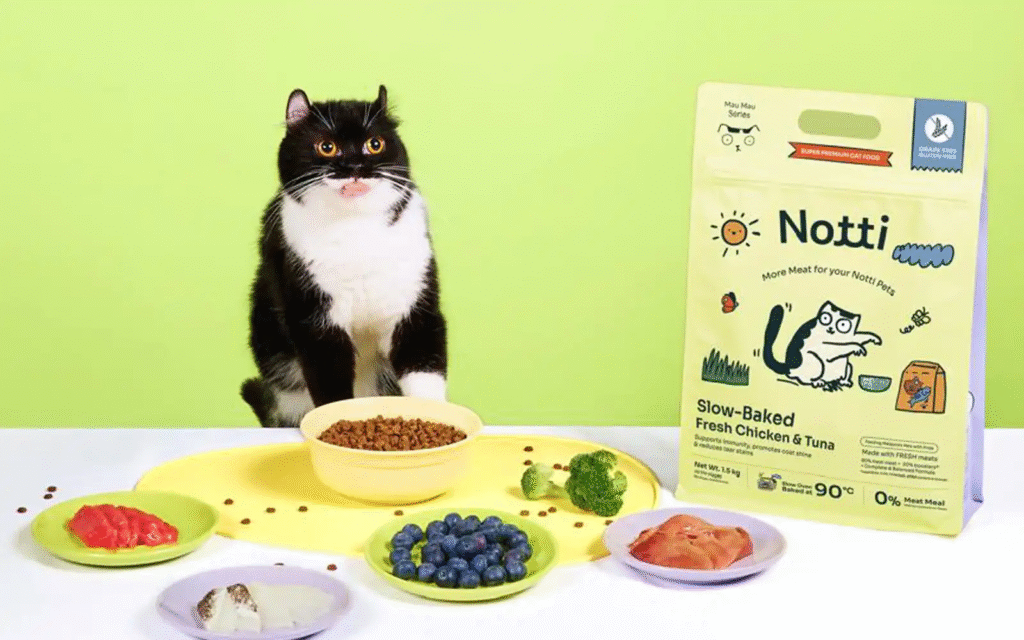
Evolution of Pet Diets
As a Malaysian pet owner, you may wonder how the evolution of pet diets has influenced the shift towards grain-free options.
Over time, pets have transitioned from consuming primarily meat-based diets to processed foods containing grains like wheat, corn, and rice. This shift was driven by factors such as convenience, availability, and cost-effectiveness. However, as pet owners became more conscious of their furry companions’ health and nutritional needs, the demand for grain-free options started to rise.
Pet food manufacturers responded by developing grain-free formulations that better align with the natural diet of dogs and cats, which are primarily carnivores https://nourish.petuniverse.com/. This evolution in pet diets reflects a growing awareness among owners about the importance of providing high-quality, species-appropriate nutrition for their beloved pets.
Nutritional Benefits of Grain-Free
Transitioning from grain-based to grain-free diets can offer significant nutritional benefits for your pets. Grain-free pet foods often contain higher levels of quality animal proteins like chicken, fish, or beef, which are essential for your furry friend’s muscle development and overall health.
These diets are also packed with healthy fats such as omega-3 and omega-6 fatty acids, promoting a shiny coat and healthy skin. By eliminating grains like wheat, corn, and soy, which some pets may be sensitive to, grain-free diets can help reduce allergies and digestive issues.
Additionally, grain-free options are typically lower in carbohydrates, making them a great choice for pets prone to weight gain or diabetes. Make the switch to grain-free for a healthier and happier pet!
Potential Risks to Consider
When switching to grain-free pet food, you should occasionally be aware of potential risks that could arise despite the numerous nutritional benefits. One risk to consider is the possibility of certain grain-free diets lacking essential nutrients like fiber, which are important for your pet’s digestive health. This could lead to issues such as constipation or gastrointestinal upset.
Additionally, some grain-free pet foods may contain higher levels of protein, which could be a concern for pets with certain health conditions like kidney disease. It’s also important to be cautious of the quality of ingredients in grain-free options, as some may contain fillers or excessive amounts of certain nutrients. Monitoring your pet’s health and consulting with a veterinarian can help mitigate these risks.

Understanding Ingredient Labels
When decoding ingredient labels on grain-free pet food packaging, you must carefully scrutinize the listed components to ensure your pet’s nutritional needs are met. Look for high-quality protein sources like chicken, turkey, or fish as the main ingredients. Avoid fillers such as corn, wheat, and soy, which may not provide the necessary nutrients for your pet.
Opt for foods with easily recognizable ingredients, as these are likely to be more wholesome. Keep an eye out for artificial additives, colors, and preservatives that could be harmful to your furry friend. Remember, understanding ingredient labels empowers you to make informed choices for your pet’s well-being.
Your pet’s health is in your hands, so choose wisely when selecting their food.
Making Informed Feeding Choices
To make informed feeding choices for your pet, prioritize understanding their nutritional requirements and selecting high-quality ingredients. Begin by researching your pet’s specific dietary needs based on their age, breed, size, and activity level. Consult with your veterinarian to create a balanced diet plan tailored to your pet’s individual needs.
When selecting pet food, examine the ingredient list for high-quality protein sources like meat or fish, whole grains, fruits, and vegetables. Avoid artificial additives, by-products, and excessive fillers. Look for reputable pet food brands that prioritize nutrition and safety in their products.
Conclusion
In conclusion, as a Malaysian pet owner, it’s important to understand the science behind grain-free pet food.
While there are nutritional benefits to consider, it’s also crucial to be aware of potential risks and make informed feeding choices for your furry friend.
By staying informed and reading ingredient labels carefully, you can ensure that your pet is getting the best diet possible for their health and well-being.